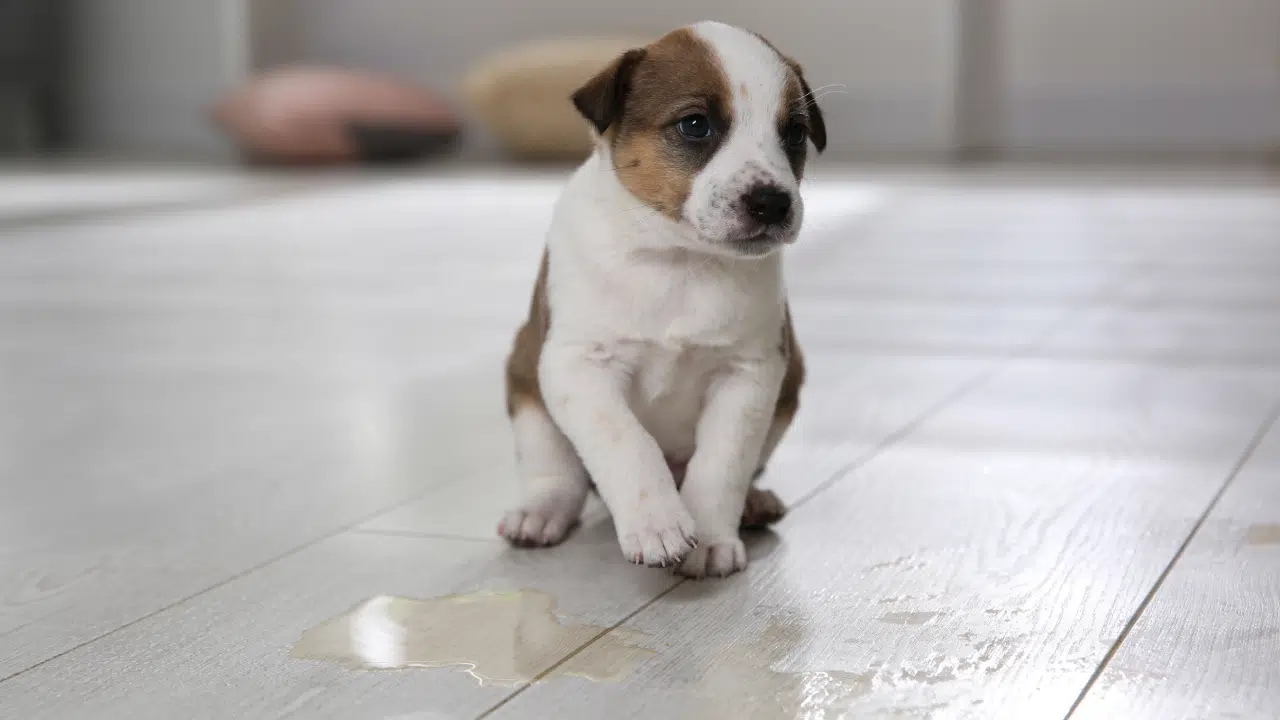
How to Remove Pet Urine Smell from Carpets and Floors
Dealing with pet urine and accidents across carpets, hardwood floor crevices, and those hidden corners is a common nightmare many pet owners know too well. As an expert, I understand both the urgency to restore freshness and the frustration of stubborn stains that resist even the most well-intentioned cleaning efforts.
Many people rely on superficial fixes when faced with this issue, which often results in the sheer frustration of putting up with Cleaning up the mess but still smelling the lingering, sharp urine scent on humid days, which encourages pets to mark the same spot again. time and time again. This guide delves into the scientific root causes and the most effective ways to treat the problem at its source.
How Common Is Pet Urine & Accidents in Homes?
Urinary incidents and other pet-related odours are a common issue in homes, with odour persistence often linked to porous surfaces such as carpets, carpet underlays, and crevices in hardwood floors where urine can infiltrate and become difficult to remove. General indoor air quality research shows that volatile organic compounds (VOCs) and microbial factors from pet urine contribute to elevated odour levels and can affect IAQ, particularly in enclosed or poorly ventilated spaces like hidden corners and areas with fabric and fibre where residues accumulate.
Indoor environments can retain odours and harbour microbial activity that may affect perceived air quality and occupant comfort, with organisations like the EPA, WHO, and CSIRO highlighting the role of ventilation, humidity, and surface contamination in indoor odour persistence and microbial growth.
The Science Behind Pet Urine & Accidents
Odour issues occurring in Carpets, hardwood floor crevices, and hidden corners are often more complex than they appear. Scientifically speaking, Even after scrubbing, microscopic uric acid crystals remain trapped in carpet fibres or floorboards, reactivating and releasing odours whenever the room gets warm or humid.
Expert Insight
Odours like “Pet Urine & Accidents” persist not just in the air but from microbial activity embedded within porous substrates, where urine residues provide moist, nutrient-rich microhabitats that foster odour-producing bacteria and fungi. As these microbes metabolise proteins and urea within the fibres and capillary voids, volatile compounds are continually released, re-emitting the odour long after surface drying and diffusion through the air has occurred.
Primary Triggers Contributing to the Odour
- Uric acid: In cat and dog urine, uric acid crystals can remain in the substrate after drying, creating concentrated residue that signals scent markers to animals and can attract further urination attempts by other animals; uric acid also contributes to the strong, persistent odour that prompts repeat marking or accidents in the same area.
- Ammonia: Ammonia produced from urea breakdown increases indoor air pH and odour intensity; strong ammonia odour stimulates territorial and marking behaviours in some pets, encouraging urine deposition in areas with higher ammonia concentrations, reinforcing repeated accidents.
- Pheromones: Pheromones in animal urine or secretions convey social and territorial information; novelty or misinterpretation of these chemical cues by other pets can trigger marking behaviour or stress-induced urination in shared spaces, leading to accidents.
- Bacteria: Bacterial metabolism in urine or damp substrates can alter odour and scent profile; proliferation of bacteria can produce volatile compounds that attract or entice pets to urinate again in the same spot, and can elevate substrate odour complexity, complicating odour masking and maintenance, contributing to repeat accidents.
Where Pet Urine & Accidents Commonly Lingers
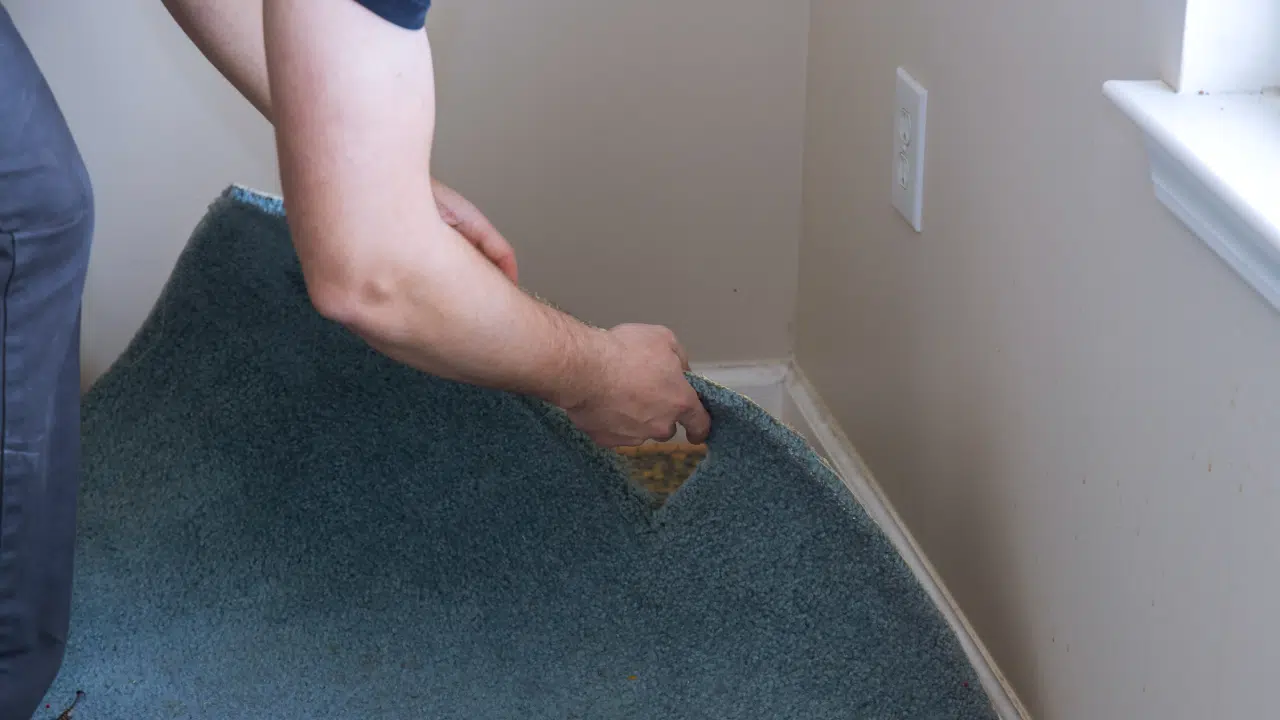
- Carpets and carpet underlays (fibrous, porous backing and pile fibres trap and hold urine odour and moisture)
- Hardwood floor crevices and gaps (between boards, under moulding, and along seams where moisture can seep)
- Behind and beneath appliances (washing machines, dishwashers, dryers; plinth gaps and kick boards)
- Hidden corners, mouldings and skirting boards (voids behind trims, along baseboards, and under furniture edges)
- Upholstery cushions and fabric-covered fixtures (sofas, armchairs, fabric curtains in poorly ventilated rooms)
Quick-Win Checklist
- Ventilate and dry: Open windows, turn on fans and the car’s ventilation or a portable dehumidifier to rapidly lower moisture and dilute lingering odours, focusing on carpets, hardwood crevices, and hidden corners where moisture collects.
- Control moisture and odours: Blot and remove all visible urine with absorbent towels, then apply a moisture-neutralising product or enzymatic cleaner suitable for pet stains to break down uric acid, ammonia, and pheromones; avoid overwetting to prevent lingering damp.
- Clean and protect with probes and seal: Vacuum thoroughly after cleaning to remove residues, use a targeted deodorising spray on problem areas, and reseal crevices or use a compatible carpet or floor product to minimise repeating marks and bacteria harborage.
For a broader overview of solutions, explore our professional odour neutralisation guide.
Air Purifier for Pet Urine & Accidents: A More Effective Approach
Air purifiers can help manage pet urine and accidents by reducing airborne odours and filtering airborne contaminants associated with pets. They draw in room air, pass it through filters that capture particles such as pet dander, hair, dust, and bacteria, and then recirculate cleaner air. While odour is often caused by volatile organic compounds (VOCs) from urine and faeces, high-quality purifiers with activated carbon filters or specialised odour-control media can help absorb some of these compounds. In spaces with recurring accidents, regular cleaning remains essential, and purifiers should be used as a supplementary measure rather than a replacement for thorough cleaning and deodorisation.
Advanced air treatment approaches offer additional options. Active vapour systems, such as Purox™ Gel technology, involve controlled release of gel-formulated substances designed to neutralise odours at the source. These systems can complement conventional purification by targeting lingering smells in specific areas, such as around litter trays or pet sleeping zones. When considering such approaches, it is important to follow product instructions, ensure appropriate ventilation, and choose solutions suitable for the household and any sensitivities of occupants, including children or pets.
Real-World Use Case
The Challenge: A classic issue in this environment is dealing with Cleaning up the mess but still smelling the lingering, sharp urine scent on humid days, which encourages pets to mark the same spot again., which can negatively affect comfort and perceived cleanliness.
A homeowner implemented an active vapour air treatment system to neutralise pet urine and accidents across carpets, hardwood floor crevices, and hidden corners, achieving measurable reductions in odour and volatile organic compounds within weeks. The environmental improvement and occupant relief were evident through improved indoor air quality, lowered allergen exposure for residents, and a more welcoming, fresh-smelling living environment.
A Conclusion Towards Better Air Quality
Effectively managing Pet Urine & Accidents requires understanding the chemical and biological mechanisms behind odours. Combining improved ventilation, surface hygiene, and advanced air treatment strategies can significantly improve indoor air quality and restore freshness to living spaces.
If you’re curious about creating a more comfortable and healthier indoor environment, it can be worth looking beyond standard ventilation and filtration. Advanced indoor air quality solutions, including active vapour systems, offer nuanced ways to manage moisture, odours, and airborne contaminants. Consider speaking with an environmental health professional or a trusted supplier to understand what options might fit your space and needs.
Subtle steps—such as staying informed about the latest developments and evaluating practicality for your setting—can help you make informed, quietly confident choices.Experience the next level of indoor air management with the EnviroGuard PRO™ X
Frequently Asked Questions (FAQs)
1) What causes pet urine accidents in the home?
– Common causes include marking behaviour, urinary tract infections, bladder stones, incontinence, mobility issues, stress or anxiety, and insufficient toilet training or access.
2) How long does pet urine odour persist in carpets or underlay?
– Odour can linger for days to weeks if not thoroughly cleaned; proteins and minerals may trap smells, especially in porous materials. Prompt cleaning reduces persistence.
3) What is the best method to remove pet urine from carpets?
– Blot as much liquid as possible, use a enzyme-based pet stain remover, follow with a mild detergent solution, rinse with water, and allow to air dry completely; avoid steam cleaners that can set odour.
4) How can I prevent repeat urine accidents after cleaning?
– Address underlying causes (vet check for medical issues), provide easy toilet access, use urine-impeding barriers temporarily, train or retrain routines, and thoroughly neutralise odour to deter marking.
5) How long should I wait before re-cleaning a treated area?
– If odour remains after initial cleaning, repeat the cleaning process or apply a second enzyme-based cleaner; allow the area to dry fully between treatments.
Improving indoor air quality often involves managing several different odour sources throughout the home. If you are dealing with similar issues, you may also find our guide on prevent pet allergy rashes from dander helpful
Connect with Us Join our community on Facebook for more advice on maintaining a healthy home: VBreathe Safe