Carpet and flooring installations can be a sensory minefield, with lingering smells that turn newly finished spaces into a testing ground for patience. As seasoned professionals, we understand the frustration and the impact on comfort and productivity, and we’re here to explain why those smells arise and how we tackle them effectively.
Many people rely on superficial fixes when faced with this issue, which often results in the sheer frustration of putting up with A lingering, synthetic, rubbery smell from new carpets that causes throat irritation and makes the whole house feel stuffy and unbreathable. time and time again. This guide delves into the scientific root causes and the most effective ways to treat the problem at its source.
New carpet and flooring odours are a common indoor air quality concern, particularly in freshly installed or renovated spaces such as newly carpeted rooms, vinyl flooring installations, and modern offices, where off-gassing from volatile organic compounds (VOCs) and residual solvents can persist for days to weeks. General indoor air quality research trends show elevated VOC concentrations associated with new flooring materials and adhesives, with odour perception often preceding measurable declines in air quality and sometimes triggering headaches or irritation in sensitive occupants.
Indoor odours and microbial activity indoors are recognised as indicators of air quality issues, with organisations like the EPA, WHO and CSIRO emphasising that volatile compounds, mould growth, and dampness can adversely affect health and comfort even at low concentrations.
Odour issues occurring in Newly carpeted rooms, vinyl flooring installations, and modern offices are often more complex than they appear. Scientifically speaking, The signature ‘new carpet smell’ primarily comes from a chemical called 4-PCH (4-phenylcyclohexene), found in the synthetic latex backing, as well as the strong glues used to bind the flooring down.
New carpet and flooring smells are commonly caused by the gradual release of volatile organic compounds (VOCs) from materials such as adhesives, backing layers, sealants, and synthetic fibres used during manufacturing and installation. While these odours are often strongest in the first few days, they can persist for weeks as trapped compounds slowly off-gas from the carpet fibres and underlying subfloor.
In tightly sealed homes with limited ventilation, these smells may accumulate and become more noticeable. Managing the odour typically requires a combination of ventilation, time for the materials to cure, and air treatment that helps reduce lingering vapours in the indoor environment.
For a broader overview of solutions, explore our professional odour neutralisation guide.
New carpet and flooring smells can be noticeable for days or weeks after installation, as volatiles from adhesives, backing materials, and the carpet itself off-gas into the indoor air. Air purifiers for VOCs can help manage these odours by circulating air, capturing particles, and reducing emissions before they reach occupied spaces.
Look for units with high CADR (clean air delivery rate) and activated carbon filters, which are effective at adsorbing volatile organic compounds (VOCs) and common odours. Some purifiers also use pre-filters to catch dust and larger particles, helping the filters work more efficiently and extend their life. Consistent use in rooms where the new flooring is installed can speed up the reduction of lingering smells, particularly when combined with good ventilation.
In addition to standard filtration, advanced air treatment approaches are emerging to address odour concerns more directly. Active vapour systems, such as Purox™ Gel technology, are designed to release controlled amounts of deodorising agents into the air or onto surfaces to neutralise odours at their source. These systems can complement traditional purifiers by targeting persistent smells associated with new flooring, providing a more comprehensive approach to improving air quality during the initial post-installation period. As with any odour control method, it is wise to follow manufacturer instructions and consider room size, ventilation, and the specific VOC profile of the flooring products being used.
The Challenge: A classic issue in this environment is dealing with A lingering, synthetic, rubbery smell from new carpets that causes throat irritation and makes the whole house feel stuffy and unbreathable., which can negatively affect comfort and perceived cleanliness.
In response to persistent “new carpet and flooring” odours in newly carpeted rooms, vinyl installations, and contemporary office spaces, the facility manager implemented an active vapour air treatment system to continuously neutralise volatile organic compounds and associated smells. The result was measurable environmental improvement and relief for occupants, with reduced odour intensity and a more comfortable indoor environment across the serviced areas.
Effectively managing New Carpet & Flooring Smells requires understanding the chemical and biological mechanisms behind odours. Combining improved ventilation, surface hygiene, and advanced air treatment strategies can significantly improve indoor air quality and restore freshness to living spaces.
As awareness of indoor air quality grows, exploring advanced solutions can help create spaces that feel fresher and more comfortable. Consider how passive measures, paired with thoughtfully designed active vapour systems, might support ongoing improvements in air quality, humidity control, and occupant wellbeing. If you’re curious, take a moment to review reputable guidance and research on modern IAQ approaches, and assess whether a professional assessment could shed light on options suitable for your environment.
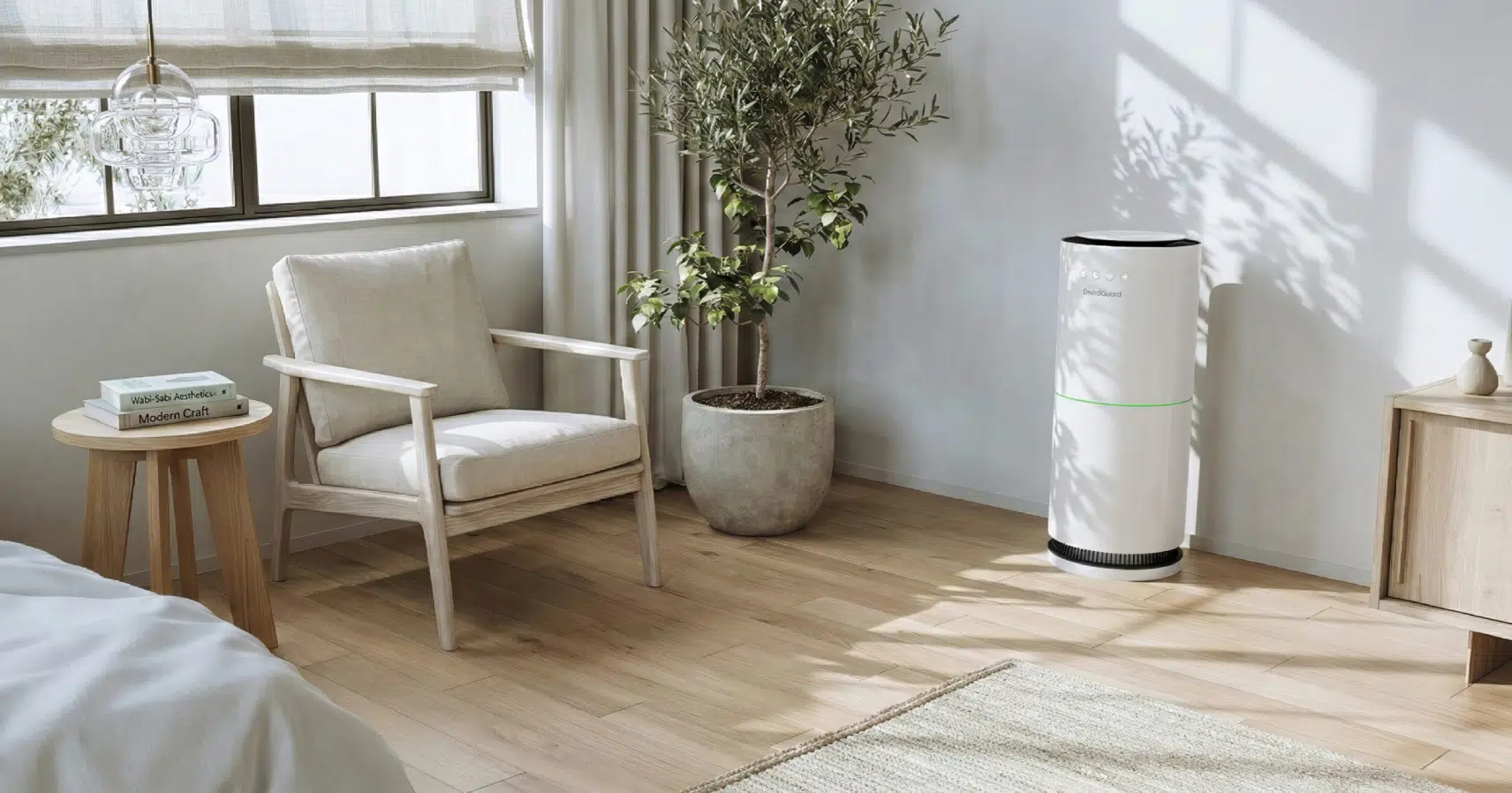
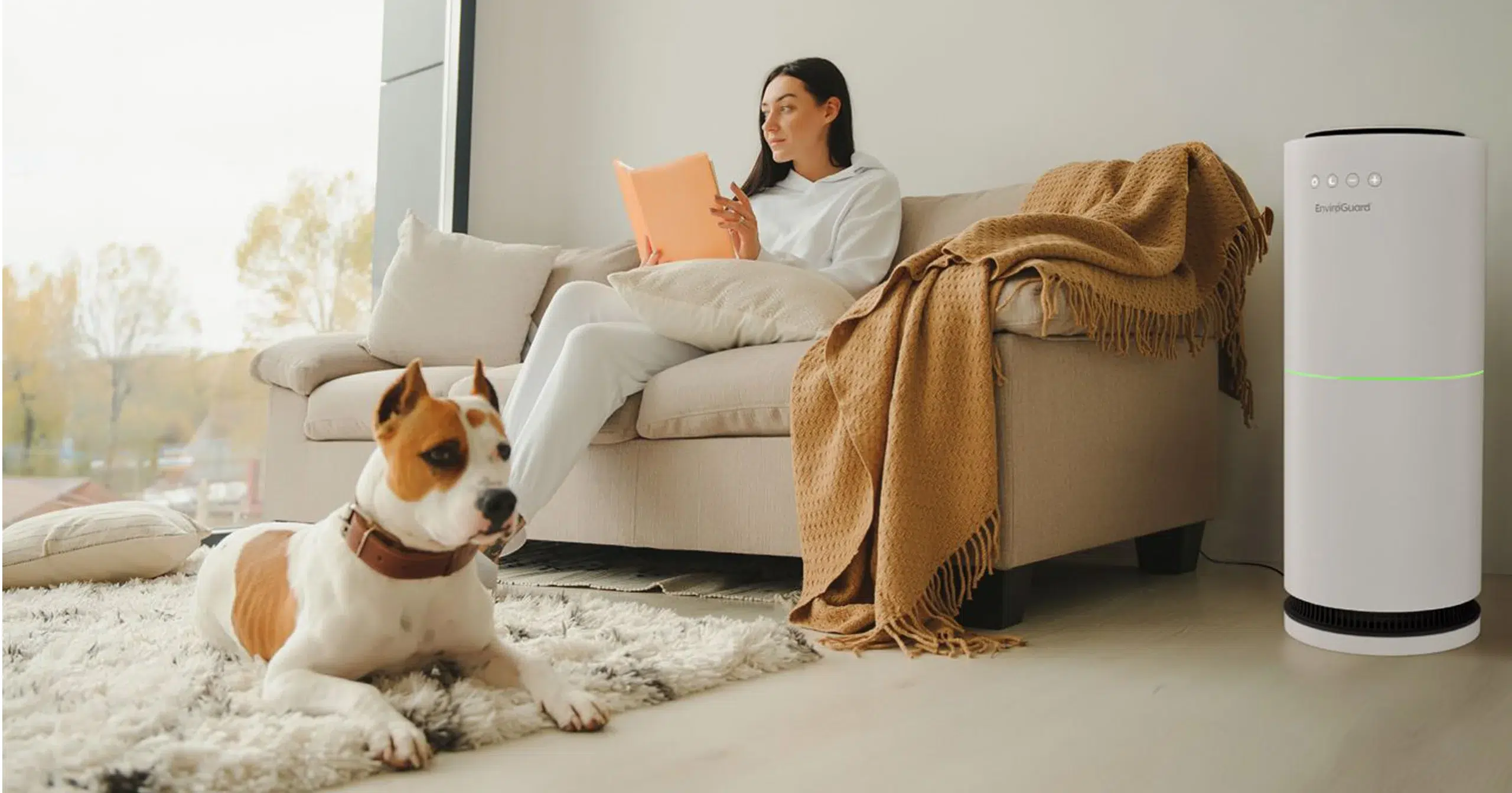
Experience the next level of indoor air management with the EnviroGuard PRO™ X
1) Why does new carpet smell strong after installation?
– New carpet smells from off-gassing volatile organic compounds (VOCs) released by adhesives, underlay, backing, glue, and the fibres themselves.
2) How long do new carpet smells usually last?
– Most carpet odours fade within a few days to a couple of weeks, but heavy or synthetic smells can linger up to several weeks.
3) How can I remove or reduce the smell from new carpet?
– Ventilate by opening windows and using fans, place baking soda or activated charcoal to absorb odours, use a carpet cleaner with a deodorising agent, and avoid sealing the room until smells lessen.
4) Are there safe ways to speed up new carpet odour removal?
– Yes: keep rooms well ventilated, avoid airtight coverings, run a dehumidifier if humidity is high, and choose low-VOC adhesives and underlay for future installs.
5) When should I be concerned about lingering carpet smells?
– If odours persist beyond 3–4 weeks, or you experience headaches, dizziness, or throat irritation, consult the installer or a professional to check for prolonged off-gassing or moisture issues.
Improving indoor air quality often involves managing several different odour sources throughout the home. If you are dealing with similar issues, you may also find our guide on clear household cleaning chemical fumes helpful.
Connect with Us Join our community on Facebook for more advice on maintaining a healthy home: VBreathe Safe