How to Prevent Mould Growth with the Right Air Purifier
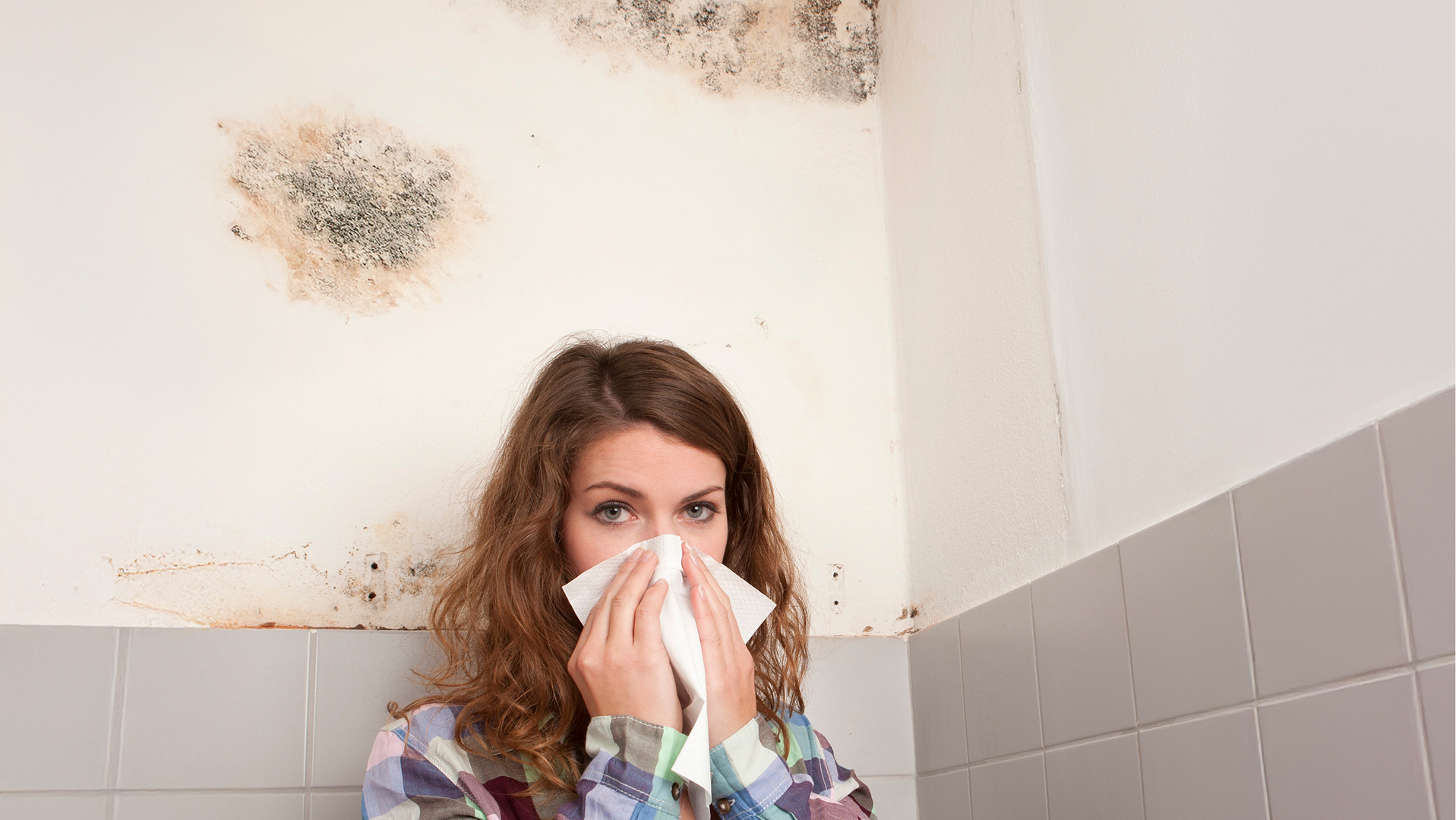
Mould is not a surface problem. It is an airborne event that only becomes visible once it has already spread. In indoor environments with elevated humidity and poor ventilation, mould releases microscopic spores into the air — dispersing continuously, settling across surfaces, and re-establishing growth cycles long before visible signs appear. By the time mould is detected on walls, ceilings, or soft furnishings, the underlying contamination has often been active for weeks.
Most conventional approaches focus on moisture control or surface cleaning. While necessary, these methods do not address the airborne phase of mould contamination — where spores remain suspended, viable, and capable of spreading.
In this guide, we examine mould not as a visible issue — but as an environmental system problem, and explore how the right air purification strategy can reduce the conditions that allow it to persist.
Why Does Mould Grow Indoors?
Mould growth is not random. It is the result of a predictable environmental imbalance — where moisture, temperature, and air movement create conditions that allow spores to transition from airborne particles into active growth.
1. Humidity: The Primary Trigger
Mould requires moisture to grow. In indoor environments, this is most often driven by relative humidity exceeding ~60%.
At this level:
- Air can no longer hold excess moisture effectively
- Water begins to accumulate on cooler surfaces (condensation)
- Porous materials (fabric, drywall, wood) absorb and retain moisture
This creates micro-environments where spores can anchor and begin colonisation. Importantly, these conditions can exist without visible dampness — meaning mould growth may already be active before detection.
2. Air Stagnation
Even when humidity is elevated, mould does not grow uniformly across a space. It concentrates in areas where air movement is limited.
Low airflow zones:
- allow moisture to persist longer
- prevent evaporation from surfaces
- enable airborne spores to settle and remain undisturbed
This explains why mould commonly appears in:
- corners of rooms
- behind furniture
- inside wardrobes
- enclosed ceiling or roof cavities
In these zones, the air effectively becomes static, increasing the likelihood of spore settlement and growth.
3. Airborne Spore
Mould does not need to be “introduced” into a space — spores are already present in the air. Once growth begins:
- mould releases additional spores continuously
- these spores disperse through the room
- and settle on new surfaces
This creates a self-reinforcing cycle:
more growth → more spores → wider spread → new growth
Without intervention at the airborne level, removing visible mould alone does not stop this cycle. The interaction of humidity, airflow, and temperature creates predictable environments for mould growth, particularly in areas like bathrooms and kitchens due to frequent steam and moisture spikes. Similarly, basements and attics are highly susceptible because of poor ventilation and trapped humidity, while air conditioning systems and ducts provide the perfect conditions through internal condensation and low airflow.
Soft materials such as carpets, curtains, and upholstery further exacerbate the issue by retaining moisture and offering limited drying potential, proving that these are not isolated problem areas but rather the logical outcomes of specific environmental conditions.
How Air Purifiers Help Prevent Mould Growth
Air purifiers don’t remove mould from surfaces — they work at the stage that matters most: before mould becomes visible. Mould spreads through airborne spores. Once released, these microscopic particles remain suspended, travel through the room, and settle onto new surfaces — restarting the growth cycle. The role of an air purification system is to interrupt this cycle in the air.
1. Reducing Airborne Spore
A high-quality system continuously processes indoor air to reduce the concentration of airborne spores, limit the number of particles available to settle, and slow the spread of contamination across the room. While such a system does not eliminate mould instantly, it effectively disrupts the environment needed for regrowth by consistently filtering and circulating the air.
2. Filtration: The Passive Layer
Traditional air purifiers rely on mechanical filtration, specifically using True HEPA filters to capture up to 99.97% of particles as small as 0.3 microns, including many mould spores. As air passes through the unit, these spores are trapped and removed from circulation, but the effectiveness of this approach depends entirely on contaminated air reaching the device. In real-world environments, this often fails to address corners, areas behind furniture, or low airflow zones where air may remain stagnant and untreated.
3. Vapour Phase Oxidation: The Active Layer
Advanced air purification systems are revolutionising the industry by moving beyond traditional filtration methods. Instead of waiting for contaminants to be drawn into a physical filter, Vapour Phase Oxidation employs an active strategy by releasing a specialised vapour into the environment. This vapour disperses seamlessly throughout the room, interacting with airborne pollutants mid-air and neutralising them at a molecular level through the process of oxidation.
- Proactive Mould Control: Spores are neutralised while still airborne, preventing them from settling on surfaces and forming new colonies.
- Total Room Coverage: The technology addresses contamination across the entire volume of the space, ensuring protection reaches every corner rather than being limited to the area immediately surrounding the device.
- Molecular Deconstruction: Rather than merely trapping particles, VPO actively breaks down the structure of pollutants, rendering them harmless through molecular oxidation.
This represents a significant shift in air quality management, transitioning the paradigm from passive capture to active, whole-room air treatment.
4. Supporting Layer: Odours & VOCs
To provide a truly comprehensive solution, advanced systems incorporate a supporting layer specifically designed to manage the chemical and olfactory by-products of mould activity. Mould growth frequently releases distinct musty smells and microbial volatile organic compounds (mVOCs) into the indoor environment. An activated carbon filter serves as a high-capacity adsorbent to trap these gaseous pollutants, significantly enhancing the overall freshness and quality of the air.
- Odour Neutralisation: It effectively captures and holds the unpleasant mould smell typically associated with fungal infestations.
- VOC Management: The filter targets and reduces the concentration of microbial VOCs, which are often responsible for the “stuffy” feel of contaminated spaces.
- Targeted Gas Removal: While it does not directly affect the biological viability of live spores, it is essential for removing the chemical irritants that spores and mould colonies leave behind.
This layer serves as a vital secondary defence, ensuring the air is not only safe from biological threats but also remains clean, fresh, and free from lingering chemical traces.
Final Thoughts: Prevent Mould Before It Starts with the Right Air Purifier
Mould spores spread invisibly through the air , making them difficult to control without the right tools. A high-quality air purifier with HEPA and activated carbon filtration helps:
- Remove airborne mould spores before they settle
- Neutralise musty odours and VOCs
- Reduce allergy and asthma symptoms caused by mould exposure
By combining an air purifier with humidity control, proper ventilation, and regular cleaning, you can create a mould-resistant home where you can breathe easier.
Looking for the best air purifier to prevent mould? Shop now and take control of your indoor air quality!